
What is Unique in Georgian Wine Making?
One of the most common reasons tourists visit Georgia is its wine. Many of my guests have told me that they first tasted Georgian wine and then decided to travel to Georgia to discover more about it.
Of course, I can understand their decision. Georgia has something truly special to offer when it comes to wine.
Many countries around the world, including France, Italy, Spain, and the United States, have long-established winemaking traditions. But Georgia has its own distinctive approach, with a history stretching back thousands of years.
So, let’s open the cards and answer the question: What makes Georgian winemaking unique?
1. We Make Wine in Clay Vessels Called Qvevri
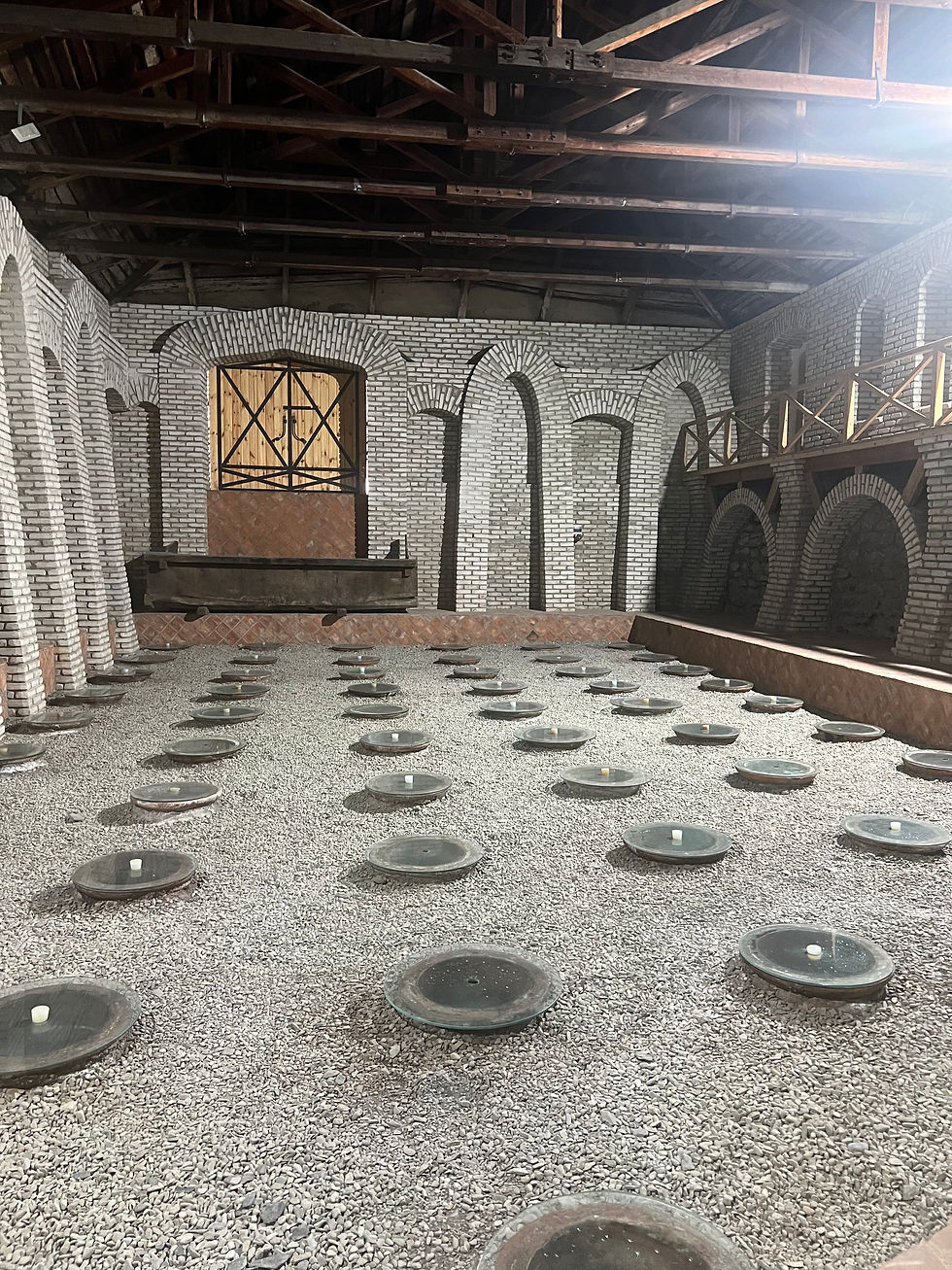
According to archaeological discoveries, Georgia is one of the earliest known places in the world where wine was made. Evidence from the Neolithic period suggests that people in this region were producing wine around 8,000 years ago.
However, an ancient winemaking tradition alone does not explain what makes Georgian wine special today.
One of the most distinctive features is the use of qvevri — large, egg-shaped clay vessels traditionally buried in the ground.
Grape juice, often together with grape skins, seeds, and sometimes stems, is placed in the qvevri to ferment. The fermentation process and the time the wine spends in the vessel depend on the winemaker’s methods and the type of wine being produced.
Unlike many modern wineries that rely on stainless-steel tanks or oak barrels, traditional Georgian winemakers continue to use these clay vessels, passing their knowledge from one generation to the next.
In 2013, UNESCO inscribed the traditional Georgian method of making wine in qvevri on its Representative List of the Intangible Cultural Heritage of Humanity.
2. We Ferment Wine Together with the Grape Skins
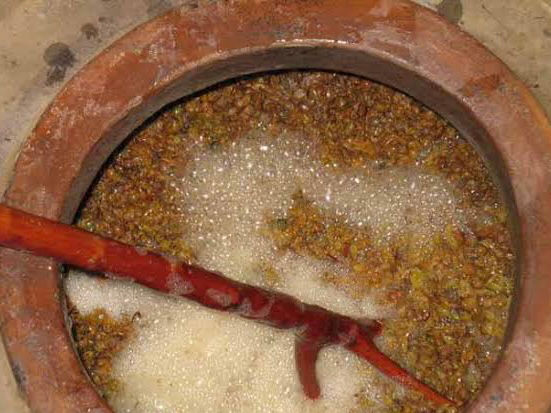
Another distinctive feature of traditional Georgian winemaking is the use of grape skins during fermentation.
In many winemaking traditions, the skins are removed early when producing white wine. In Georgia, however, white grapes are often fermented together with their skins, seeds, and sometimes stems. This produces what is commonly known as amber wine.
The skins contribute colour, tannins, texture, and additional aromas, giving these wines a character that can be very different from that of many conventional white wines.
Yeasts naturally present on grapes and in the winery can initiate fermentation, although some winemakers also use selected commercial yeasts. Traditional Georgian winemaking does not necessarily mean that fermentation always occurs spontaneously.
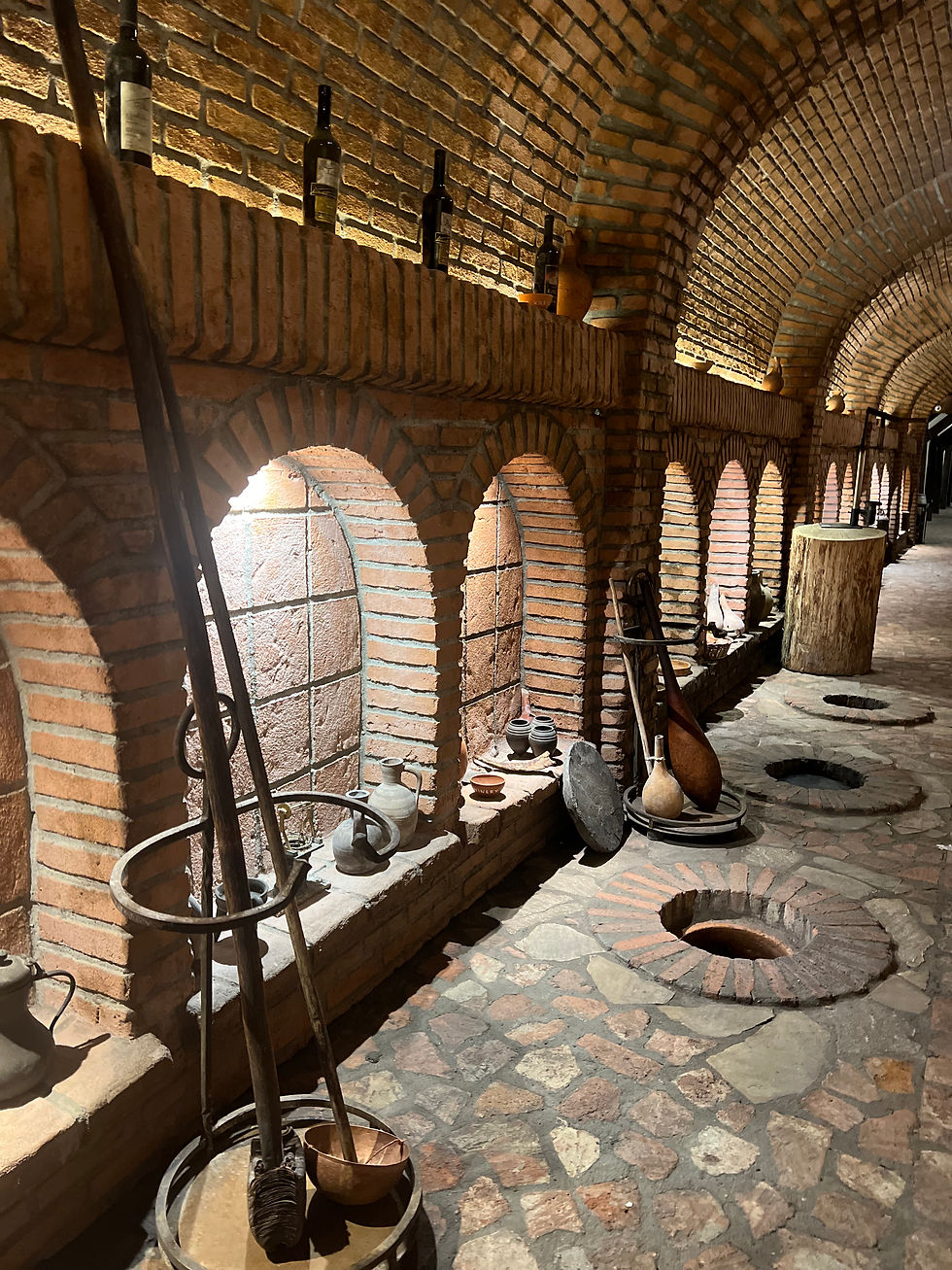
These methods help create the distinctive character of many Georgian wines and reflect the country’s long winemaking tradition.
This Is Only the Beginning
These are just two important aspects of Georgian winemaking. There is much more to explore — from how qvevri are made to the different grape varieties grown across Georgia and the traditions surrounding Georgian wine drinking.
But those are stories for another blog post!
Mukhran Guliashvili
Comments